What Is Vehicle-to-Load (V2L)?
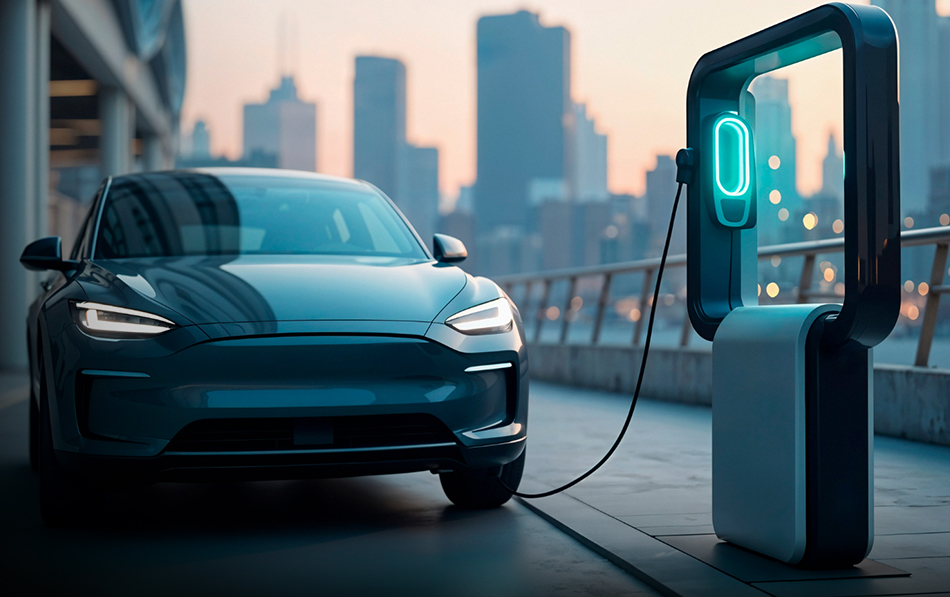
Vehicle-to-Load (V2L) is a feature that allows an electric vehicle to export power from its battery to external electrical loads. This can include household appliances, electronic devices, power tools, or temporary building circuits.
Unlike Vehicle-to-Grid (V2G), which involves sending power back to the utility grid through complex bidirectional infrastructure, V2L is comparatively simple. Power is delivered directly from the EV via:
- A compatible bidirectional charger connected to local circuits
In essence, the EV functions as a portable generator: without fuel, noise, or emissions.
How V2L Works
At a technical level, V2L relies on three core components:
- High-capacity EV battery
Most modern EVs store between 50–100 kWh of energy; enough to run essential household appliances for one to two days.
- Inverter system
The inverter converts DC power from the battery into usable AC electricity (typically 110V or 220–240V, depending on region).
- Power output interface
Energy is delivered through an onboard socket or V2L adapter, with built-in protections such as overcurrent control and isolation safeguards.
Power output varies by vehicle. Passenger EVs typically provide 1.5–3.6 kW, while larger electric trucks can supply significantly more.
The Evolution of V2L Technology
The concept of vehicles as power sources predates modern EVs.
- Early 2000s: Work trucks and utility vehicles experimented with onboard generators and auxiliary outlets but relied on engine idling and fuel consumption.
- 2010: Nissan introduced the “LEAF to Home” system in Japan, enabling households to draw backup power from the Nissan LEAF’s battery during outages.
- Mid-2010s: Chinese EV manufacturers began offering simple onboard power outlets as standard features, making V2L more accessible.
- Today: Global OEMs including Hyundai, Kia, Ford, and MG now integrate V2L into production EVs, transforming them into reliable mobile power stations.
As battery capacities and inverter efficiencies improve, V2L is moving from a niche feature to a mainstream expectation.
Real-World Applications of V2L
Emergency Backup Power
During grid outages caused by extreme weather or infrastructure failure, V2L-equipped EVs can power essential appliances such as refrigerators, lights, communication devices, and medical equipment. Electric pickup trucks with higher output can support near whole-home backup when paired with proper isolation systems.
Off-Grid and Remote Use
V2L enables electricity access in locations without reliable grid connections. Eco-lodges, remote worksites, and rural facilities are increasingly using EVs to supply clean, temporary power without diesel generators.
Outdoor and Recreational Use
Campers and outdoor enthusiasts use V2L to run induction cooktops, portable refrigerators, lighting, and charging stations—quietly and sustainably.
Mobile Businesses and Worksites
Food trucks, coffee carts, construction crews, and event operators can operate independently using V2L, reducing fuel costs and emissions while improving flexibility.
Smart Energy Management
In regions where regulations permit, V2L can help households offset peak electricity costs by drawing power from the EV during high-tariff periods, complementing solar and home energy systems.
Market Outlook for V2L
The global Vehicle-to-Load market is experiencing rapid growth, driven by rising EV adoption, grid reliability concerns, and demand for energy flexibility. Industry forecasts project strong double-digit annual growth through the end of the decade, with battery electric vehicles accounting for the majority of V2L-enabled platforms.
As governments invest in EV infrastructure and bidirectional charging standards mature, V2L is expected to become a standard capability rather than a differentiator.
Benefits of Vehicle-to-Load Technology
- Converts EVs into decentralised energy storage units
- Reduces dependence on fossil-fuel generators
- Enhances energy resilience for homes and communities
- Adds functional value to EV ownership
- Supports the transition to distributed, renewable energy systems
Challenges and Limitations
Despite its promise, V2L adoption faces several constraints:
- Limited power output: Most passenger EVs cannot support high-load appliances like HVAC systems or water heaters for extended periods.
- Battery health concerns: Frequent or prolonged discharging may impact long-term battery longevity if not properly managed.
- Manual operation: Unlike fully integrated home energy systems, most V2L setups require manual connection.
- Safety and regulation gaps: Electrical codes, insurance policies, and warranty terms vary widely across regions.
- Consumer complexity: Many potential users perceive bidirectional charging as overly technical, slowing adoption.
Addressing these challenges will require clearer standards, better education, and deeper integration between automakers, utilities, and regulators.
The Road Ahead for V2L
Vehicle-to-Load is rapidly shifting from a convenience feature to a strategic energy capability. As bidirectional charging standards such as ISO 15118 mature and governments introduce supportive policies, EVs will increasingly function as mobile nodes within broader energy ecosystems.
Future energy systems will not rely solely on centralised grids. Instead, millions of EVs — each with substantial stored energy — will help balance demand, provide backup power, and support renewable integration.
In this context, V2L represents more than a technical feature. It signals a fundamental change in how we think about vehicles: not just as modes of transport, but as active participants in a resilient, distributed, and sustainable energy future.


 RefractOne
  RefractOne